
Now or Never
A short story

Hello everybody. Greetings from the cave of covid-19, which never went away at all, and is in fact more than endemic now. Mortality rates have fallen as our immune systems have learned to more or less disarm it, but the old effects of fatigue and brain fog are still coupled with the chills and rattling cough we all remember. The vaccine shot I got a few months ago might have helped, but who knows?
It’s one more thing we have to live with, one more legacy of the inept handling of a pandemic back in 2020 when we had a ratings-obsessed narcissist dominating the press coverage with an endless stream of nonsensical shit. As the old song says, everything old is new again.
Speaking of, I discovered an old story I wanted to share. Maybe this will serve as a distraction. Let me know what you think!
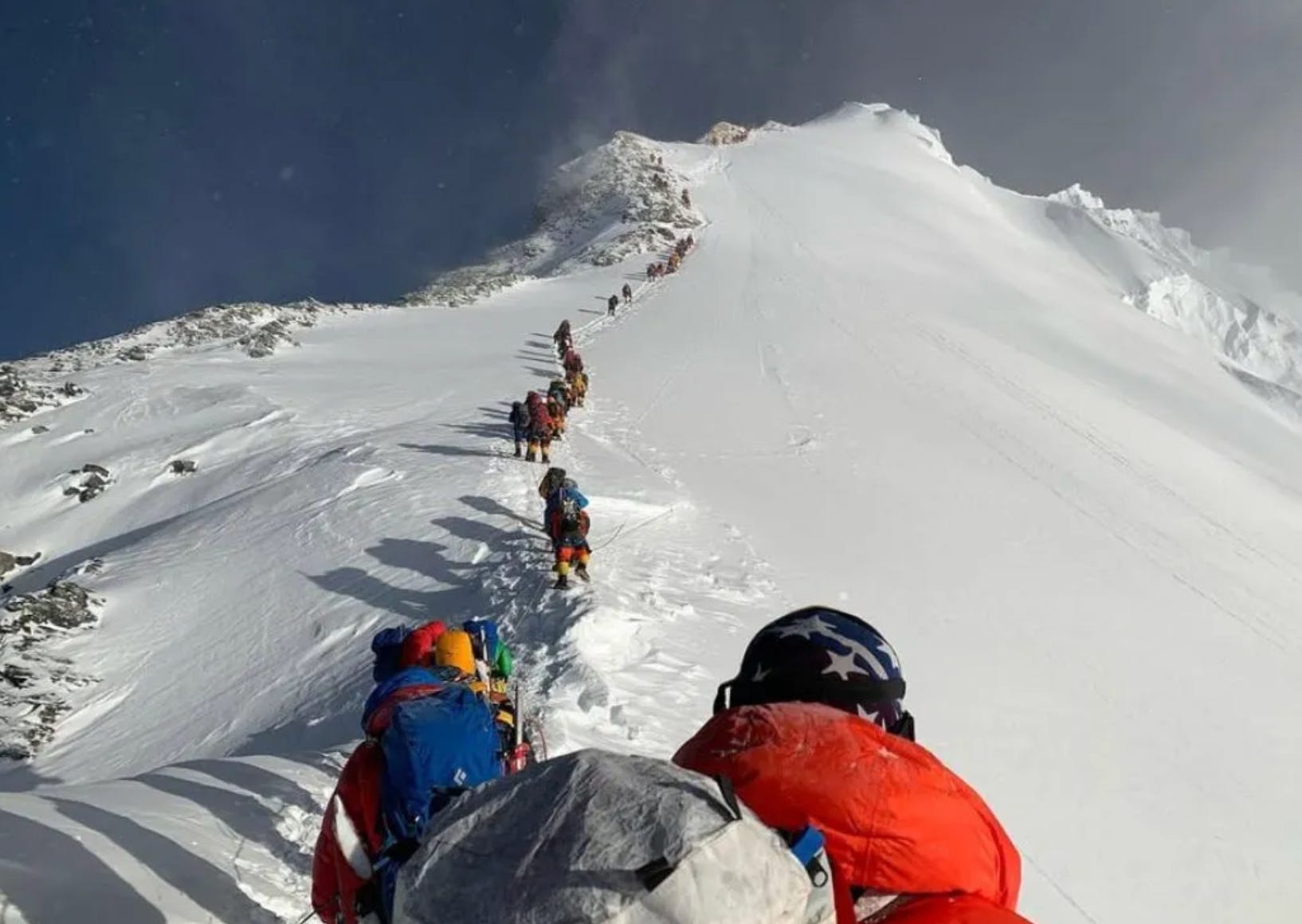
She lay listening to the wind shriek through the guylines, the walls of the tent whipping in and out, keeping time with her short, panting breaths. At eight thousand meters, the cold was a malevolent force, its icy fingers prying open the zippers of her bivy bag, her parka, her down sweater. Whenever she moved, frozen eddies wafted in and sent darts of chill racing through her.
She clenched her teeth to stop them chattering and reached down in the bag for her oxygen mask. She fitted it to her face and inhaled three deep lungs full, holding each one like a hit of pot until the shuddering began to subside. She remembered her old auntie sitting with hands gripping the arms of her chair, waiting for her Parkinson’s medication to kick in, eyes fixed on the coffee cup on the table.
Her body calmed to the occasional racking quiver. She pushed her wrist up and looked at the luminous watch dial. 03:15. At least four hours until dawn, assuming the storm blew over. Storms on Everest could last hours or days. There was no knowing without the radio. To save weight they’d brought just the one Jens carried in his pack.
Jens the racist. That was how she thought of him, even now, even after seeing him lose his footing and slide boots-first toward the edge of the crevasse, seeing him flail desperate jabs with his ice-axe before plummeting over the side, the safety rope snatching her harness and pulling her down after him, stabbing hard with ice hammer and axe in a frenzied attempt to check herself, knowing that in mere seconds she would be dead. Then the sudden miracle of the jutting basalt slab at the edge of the precipice, rising through the snow as if by magic. She had slammed into it with the full force of both their weights, the harness feeling like it would cut her in half as Jens dangled below.
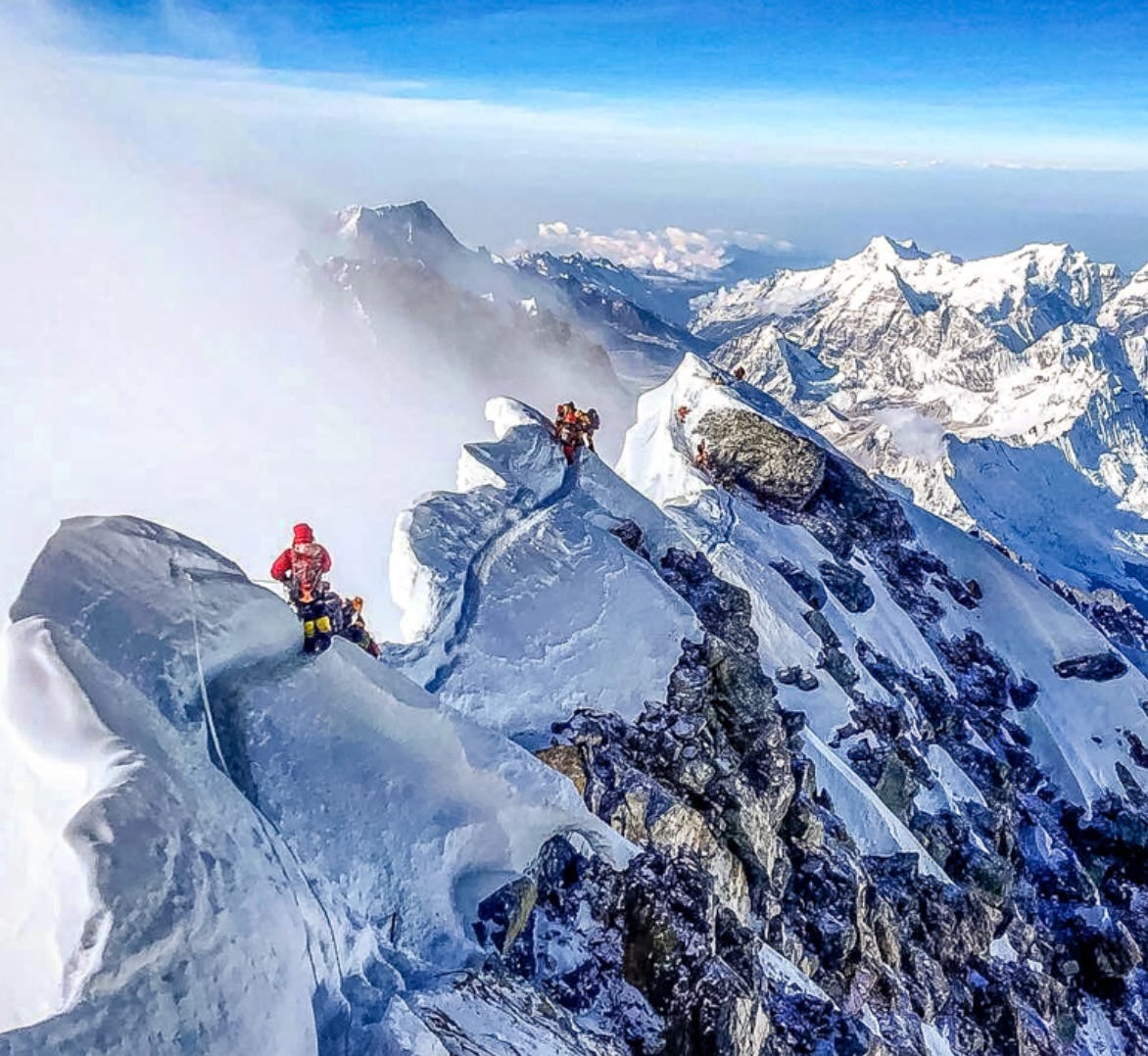
The famous Jens Larsen, peak-bagger extraordinaire, the conqueror of Everest, Denali, K2, Lhotse, even Sia Kangri and Tömür. Face on the cover of Summit and Climbing. Though she suspected the only reason she had been invited on the expedition was to put another feather in his cap, she jumped at the chance. The first African-American woman to climb Everest. She was a wholly experienced mountaineer who had climbed dozens of peaks, but not this peak. And certainly not in winter.
But the base camp had had the feel of doom, what her old climbing partner Matt called “bad juju.” Bad juju meant that ropes would snag where they should run smoothly, crampons would slip on the ice, oxygen tanks would leak. It wasn’t just superstition. At altitude there was no such thing. The mountain had a will of its own, a will you could see and feel. A will that would kill you.
The Sherpas knew it too. They had been gloomy, their usual cheer replaced by grim determination as Jens refused to scrub the ascent. There were cameras everywhere, journalists from six different countries. Jens, who had joked off camera with Lars how he had almost not invited her. “There will be no slices of watermelon or fried chicken,” he chuckled as she stood by, too shocked to say anything. Jens the racist.
So she had lain crushed against the basalt slab as Günter and Lars worked in mad frenzy to rappel down to her before she too was pulled over the edge by his enormous weight swinging like a pendulum, each swing pressing the breath out of her as she felt her hands slowly go dead from lack of oxygen. She’d known she had perhaps a minute before the choice would be made for her, her hands unable to hold the knife that would cut the rope.
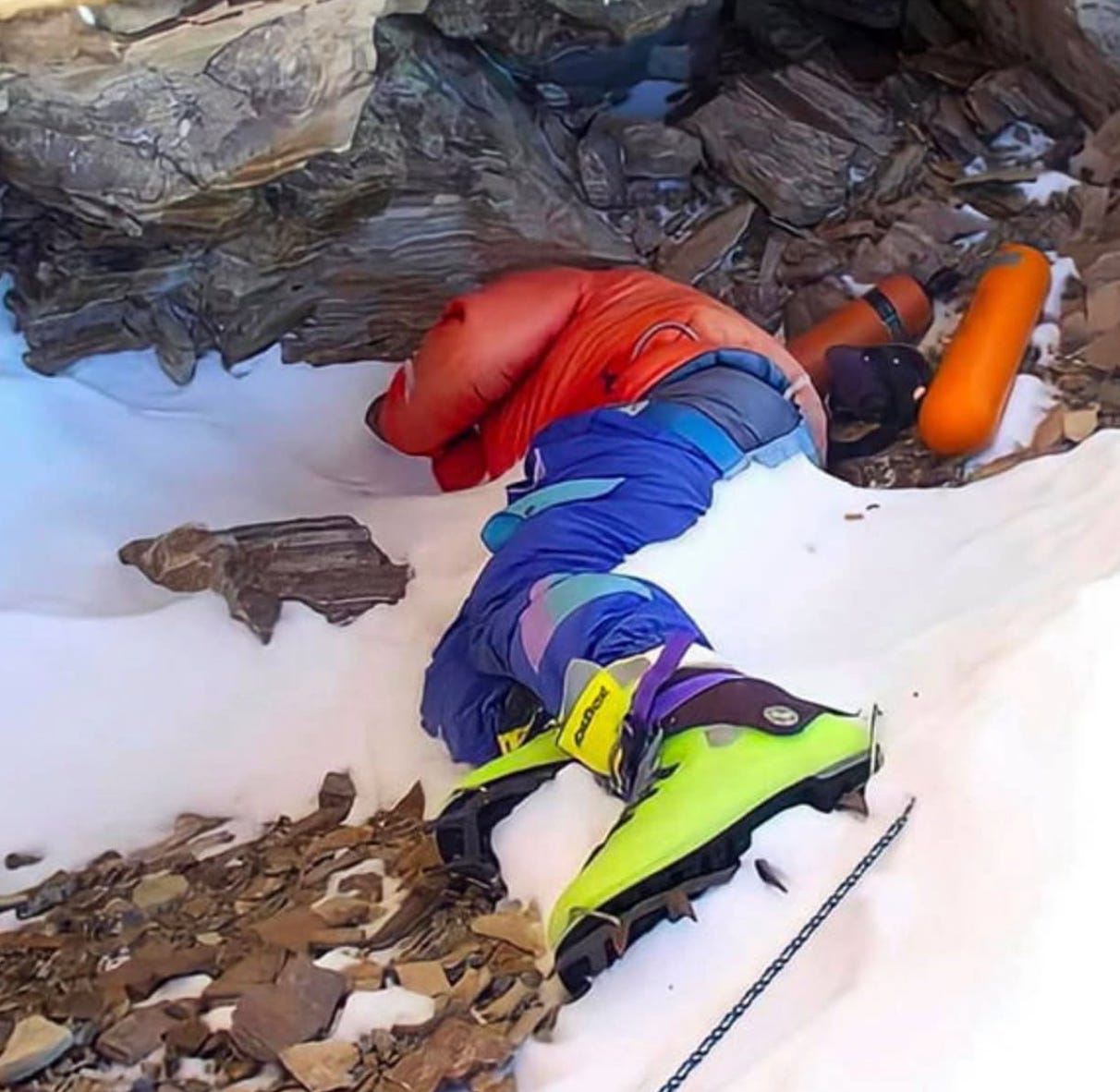
She jolted awake, unaware that she had been sleeping. A golden light flooded the tent. Her eyes wandered to the place beside her where Jens would be, had he not lost his footing and gone sliding over the precipice. She had seen photographs of the corpses of anonymous climbers who’d fallen decades before, impossible to retrieve, the nylon of their parkas still bright against the snow, their bodies eternally frozen in the unnatural articulations in which they died.
It would likewise be impossible to retrieve the body of Jens Larsen, famous though he was. The crevasse was a hundred meters deep, wholly inaccessible. He had joined the legion of mountaineers Everest had claimed for itself. And she would be down there with him had she not cut the lifeline.
In her mind’s eye, she could see his face as he fell, though his face had not been visible. With a terrible shudder, she realized that as the senior climber, she was now the leader of this expedition.
She swallowed her pang of guilt and wriggled out of her bivy bag, the trapped body heat steaming the inside of the tent as she stepped out into the almost unbearable glare of azure sky and snow-covered peaks. Above her stood the summit, sparkling like a new-cut diamond. It was less than six hundred meters above where they had made this last desperate camp. She staggered through the drifts to the other tent and thumped its side with her open palm.
“Günter! Lars!” she called. “Let’s climb!” She could not bring herself to say the last part, the obvious part. For Jens.
None of that mattered now.