
Fathers and Sons
The Unbroken Chain, Like It Or Not

Welcome to Slow Learner, a newsletter that covers comics, writing, culture, poetry, and whatever else comes to mind. Great fresh content as well as some classic regurgitation. If you love what you read, please sign up!
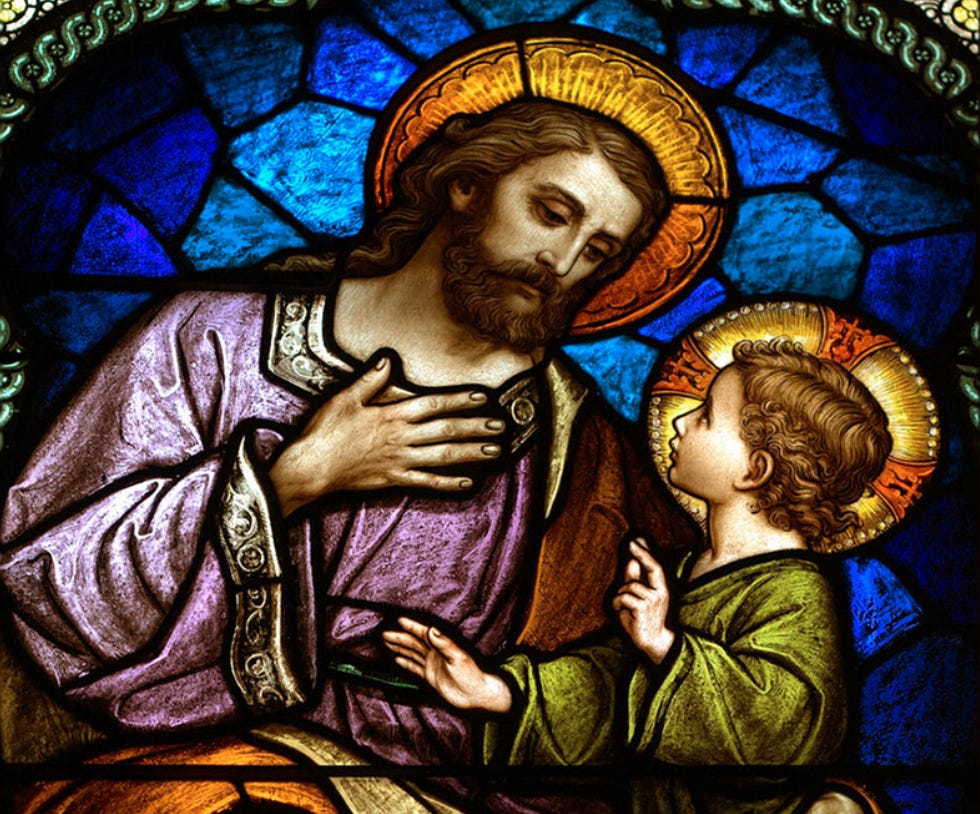
Saint Joseph has long been celebrated as the Nutritor Domini (Nourisher of the Lord) since he was the nominal father of Jesus. The story is a bit hazy once you leave the certain terrain of the Gospels, and more than one comedian has mentioned that the physical Jesus might have had a powerful resemblance to a neighbor up the street. Haw haw. Be that as it may, the Feast of Saint Joseph has been celebrated since the middle ages, and is still a big part of the New Orleans hedonistic season of religious festivities.
The modern Father’s Day is a 20th century concoction. Grace Golden Clayton wanted to honor the 250 fathers who died in the 1907 Monongah, West Virginia coal mining disaster, so she got her local pastor to have a one-time memorial service honoring “all those lonely children and the heart-broken wives and mothers, made orphans and widows in a matter of a few minutes.”
A couple of years later, a woman named Sonora Smart Dodd was attending church on Mothers’ Day. Her own mother had died when she was six, so she was raised by her father. Sonora thought fathers should also be honored and lobbied the Spokane Ministerial Alliance. She even suggested her own father's birthday, June 5, as the day, but the ministers chose the third Sunday in June instead and the first Father's Day was celebrated June 19, 1910, in Spokane.
It tottered on for a while but probably would have faded out had not William Jennings Bryan and Woodrow Wilson taken it up as a talking point. Both of these powerful men had bigger fish to fry and doubtless welcomed the distraction. Fast-forward to 1966 and you will find LBJ proclaiming Father’s Day as an official non-holiday while bumping up the draft numbers in preparation for a major troop expansion in Vietnam. Six years later, Nixon (not to be outdone), made the observance permanent. What Nixon was up to during this time is a matter of public record.
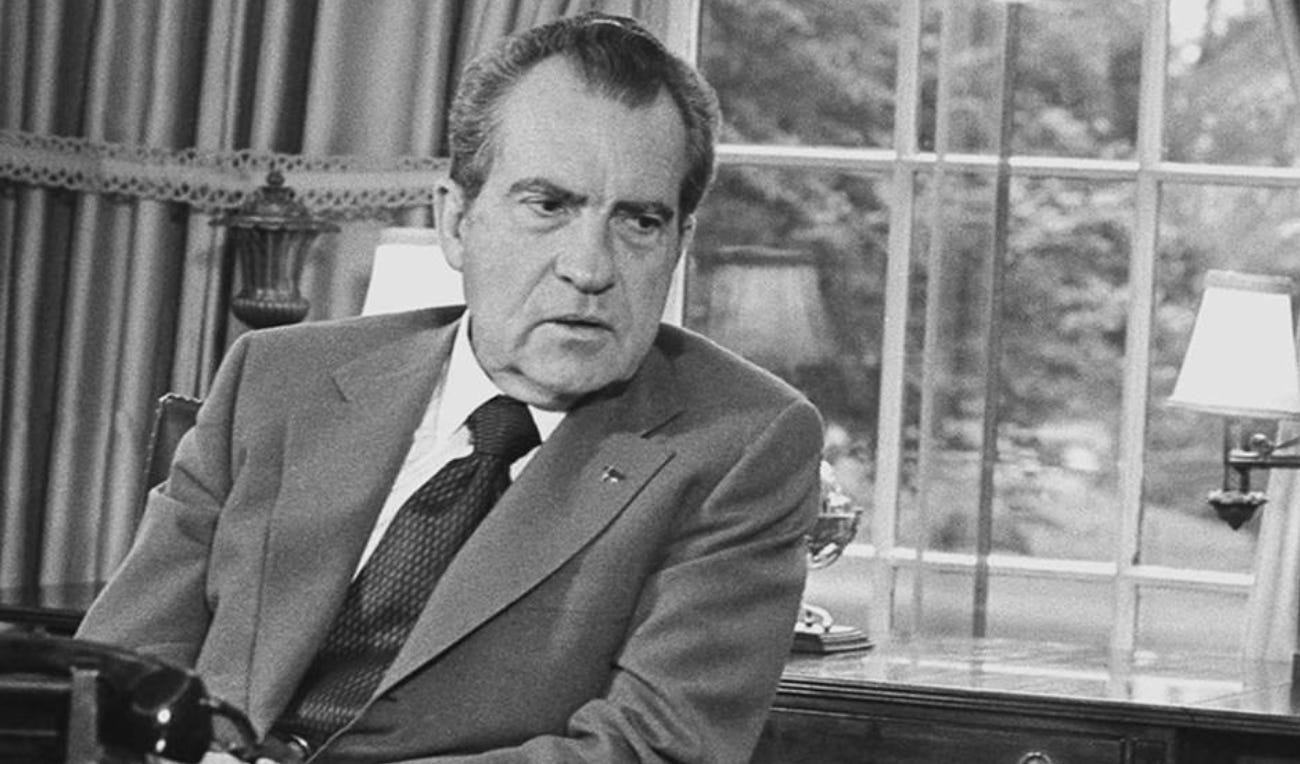
Historically, then, Father’s Day comes from a daughter’s legitimate drive to honor their pops which is then bolstered by powerful men wishing to distract attention from their actual activities.
Sounds a bit like fatherhood in general.
I have four kids from three different marriages and I can tell you that fatherhood is a complicated affair. I held my own father accountable for many sins of omission and vowed that I would behave differently toward my own children.
How many men have taken that vow, only to realize at a certain point that they had unwittingly followed in their own father’s footsteps?
It’s the stuff of song and story. He’d grown up just like me. My boy was just like me. Hemingway’s Nick Adams driving through Oak Park and talking to his son about where his grandfather is buried, vaguely hinting at the cause of his death. Turgenev’s masterful Fathers and Sons shows the complicated relationship between the modernist Arkady and his seemingly conservative farmer father Nikolai; Turgenev describes with trademark irony how in middle age Arkady more or less becomes his father when he discovers his own interest in farming. To quote another famous father, “so it goes.”

My own father was an expansive man. A distinguished professor for four decades, Dad liked to teach Chaucer by acting out the parts in the lecture hall, never wore a tie to class except as a joke, had a knack for the inappropriate comment at any given time. A brilliant lecturer, he published almost nothing because the act of writing was hard for him; he could make a start at it, but finishing anything proved impossible. His study was littered with half-completed model airplanes and other projects, and he was famous for wandering away from conversations. He wrote a few pieces of fiction, but nothing close to the ambitious novel he had in mind. As a voracious reader he knew what makes a good story, but the head-down sustained effort of writing and revision was beyond him.
The one short story of his that I remember was called My Father’s Dreams and was about his own father, John Hardy Carroll (from whom I get my middle name). Pop grew up in rural Alabama and left home at the age of fourteen to make his own way in the world. We had many family stories about him; how he survived on the Mobile docks by eating the cast-off bananas from the United Fruit rail cars, how he would arm-wrestle people at the local Y for money, how he joined the US Army at 17 to get into the war but got scarlet fever instead and was confined stateside while his unit shipped out, the division later being virtually destroyed in the Argonne.
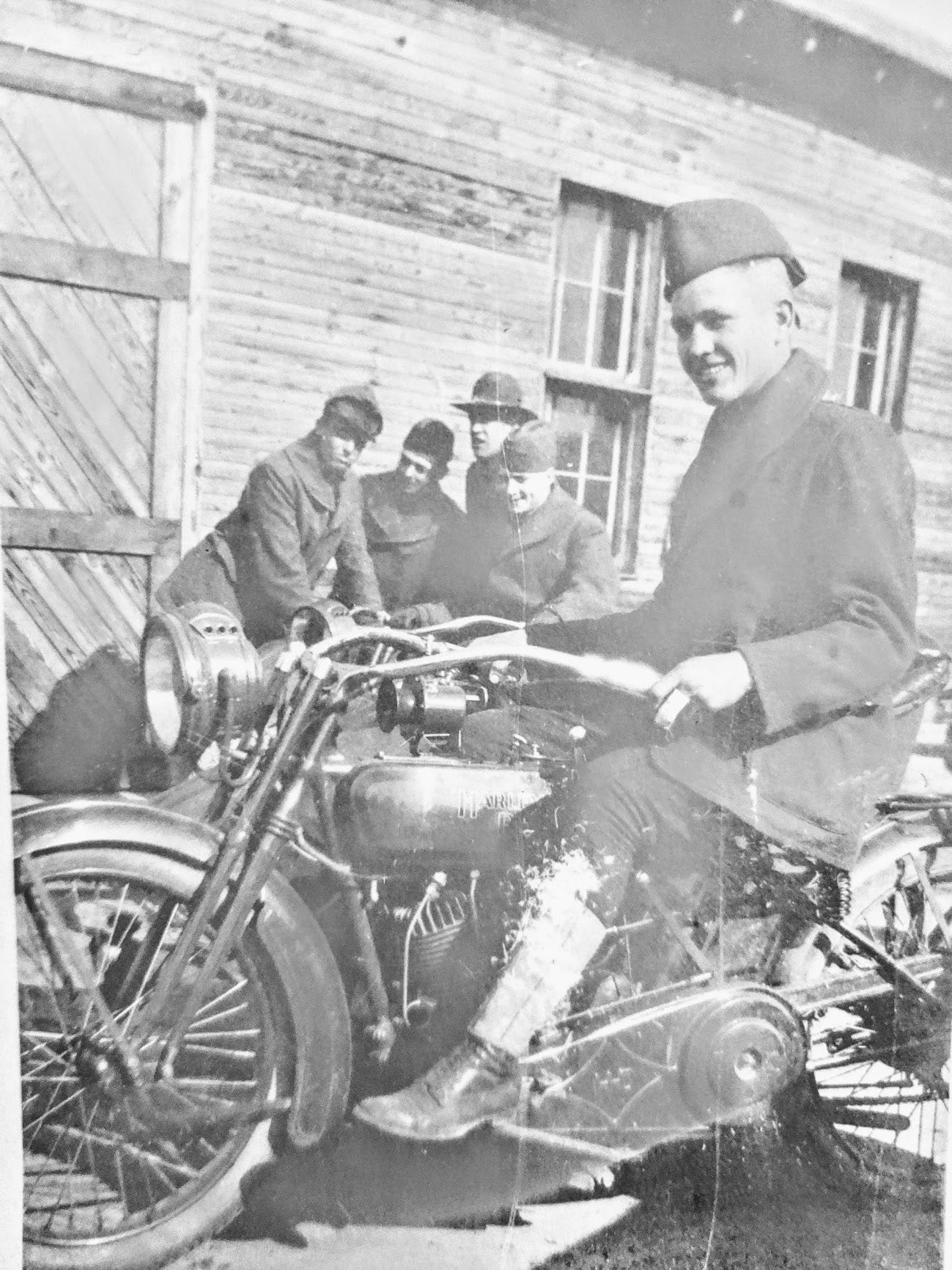
Pop was a man who believed that hard work was the highest virtue. He quit school in the eighth grade but had the mechanical aptitude of the born engineer, his hands seeming to have their own innate knowledge so the wrench seldom slipped and the screws never stripped. He sought to educate himself by reading Dr. Eliot’s Five-Foot Shelf of books and had a rigid set of ethics he applied to his daily life.
He worked as a mechanic and rose in the ranks until he was given the opportunity to have a Chevy dealership in Superior, Arizona. The depression killed that business and left him so much debt that he sold all the assets and went to live with his mother-in-law. Working his way out of that, he started as a mechanic and then service station owner, expanding to two different locations in Tucson. By 1936 he was out of debt and living again in his own house, not that he saw it much. The norm was ten to twelve hour days, seven days a week. My grandmother was left to raise her three children more or less alone.
After Pearl Harbor Pop tried to enlist but was turned down as being too old at 41 for any service save the merchant marine. He sold his service stations and went to work as a mechanic at Davis-Monthan Army Airbase. As always, he outworked everyone there and became a crew chief in charge of rebuilding the problematic Wright Duplex-Cyclone engines of the brand new B-29s heading to the Pacific.
When the war was over, he started a hardware store. His original idea was to build a warehouse in the desert and sell at wholesale prices, but people thought this crazy. Instead he and a partner opened Gallant-Carroll in midtown. Gallant proved to be as crooked as a mesquite tree, and again Pop found himself paying off debts he hadn’t know he incurred. He kept the name of the store, and I think people assumed the first name was an adjective. It suited him.
Dad recounted stories of helping Pop deliver a new television or stove on Christmas day instead of having their own holiday, of clambering atop a roof to position the aerial just so for perfect reception. Serving others was Pop’s highest priority and everyone knew it.
They didn’t know the black anger, towering and terrible when it came. They didn’t know about his alcoholism, the late nights spent at the store alone with the bottle. They didn’t know that as a father he was more like a shadow than an actual part of the family. God the Father looking on from afar. You sought his approval but seldom got it, and the wrath was always just over the horizon.
How much of this behavior do I repeat without knowing it? Alcoholism for sure. The work ethic at times. The distance between the world and private self, even in the closest relationships. My own father’s ability to talk coupled with his inability to finish things are definitely in my DNA, though I struggle to overcome both.
I suppose I want to take the best aspects of my dad and his dad and keep them in my life. The work ethic, the morality, the creativity, the call to service.
Yet for me it is also crucial to do something that neither of them was really able to do for their progeny with any degree of consistency: be present in the lives of my children. To meet them more than half way, to give them the emotional support and encouragement I always craved but never felt I got. Above all, to let them know that they are themselves and are perfectly fine.
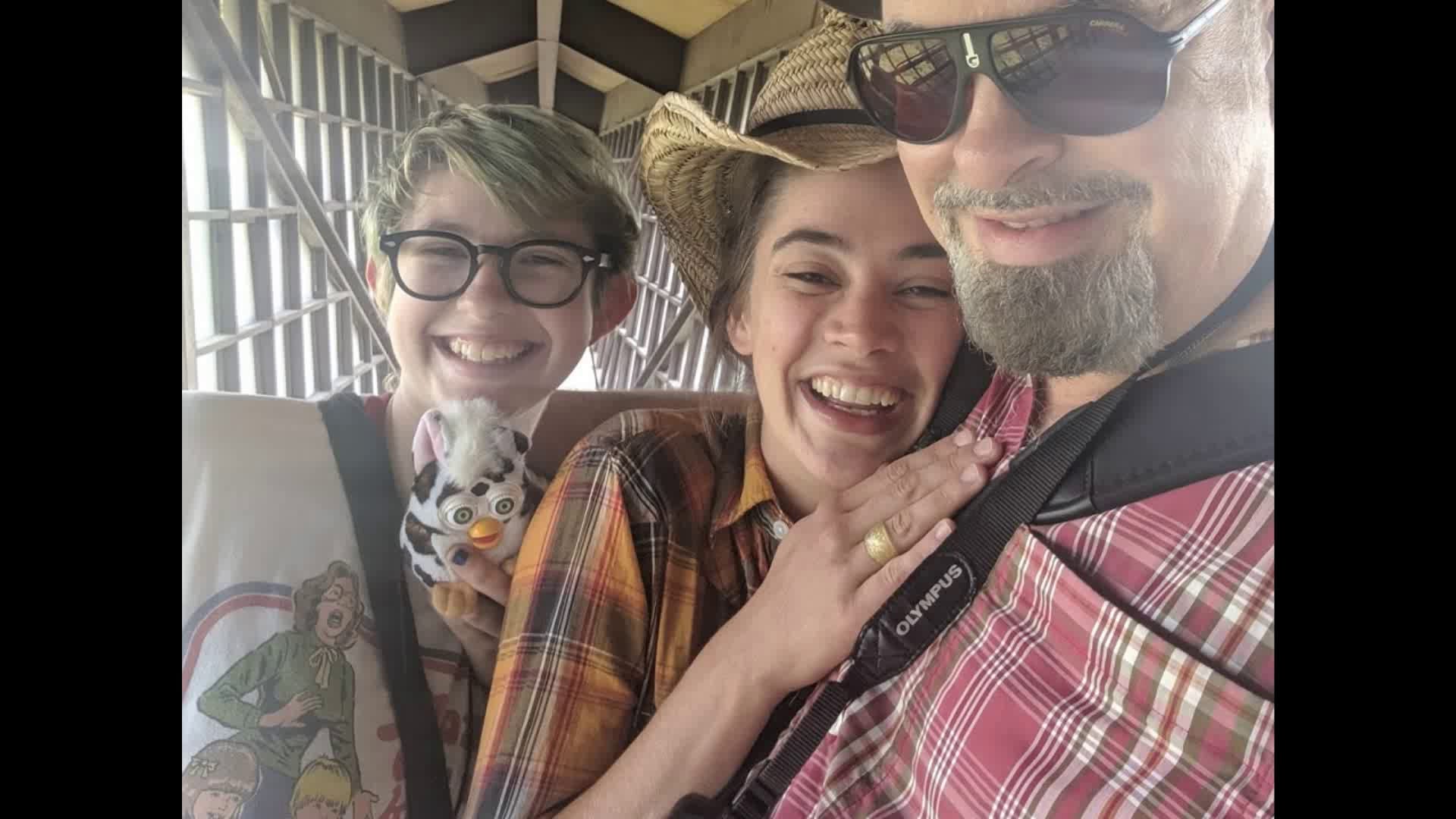
So happy Father’s Day to all of you. None of us ever get it right, but it’s the journey that counts.
JHC
Really timely for me as I spend the days confronting a whole lot of the legacy handed to me. Similar threads in this story, too. We want to atone for the sins of the fathers but instead we wind up repeating them.
I'm hoping that the threads will eventually be a place where we can gave conversations about the subjects presented in these essays and comics.